Musk: money could lose meaning as AI advances
Musk: money could lose meaning as AI advances
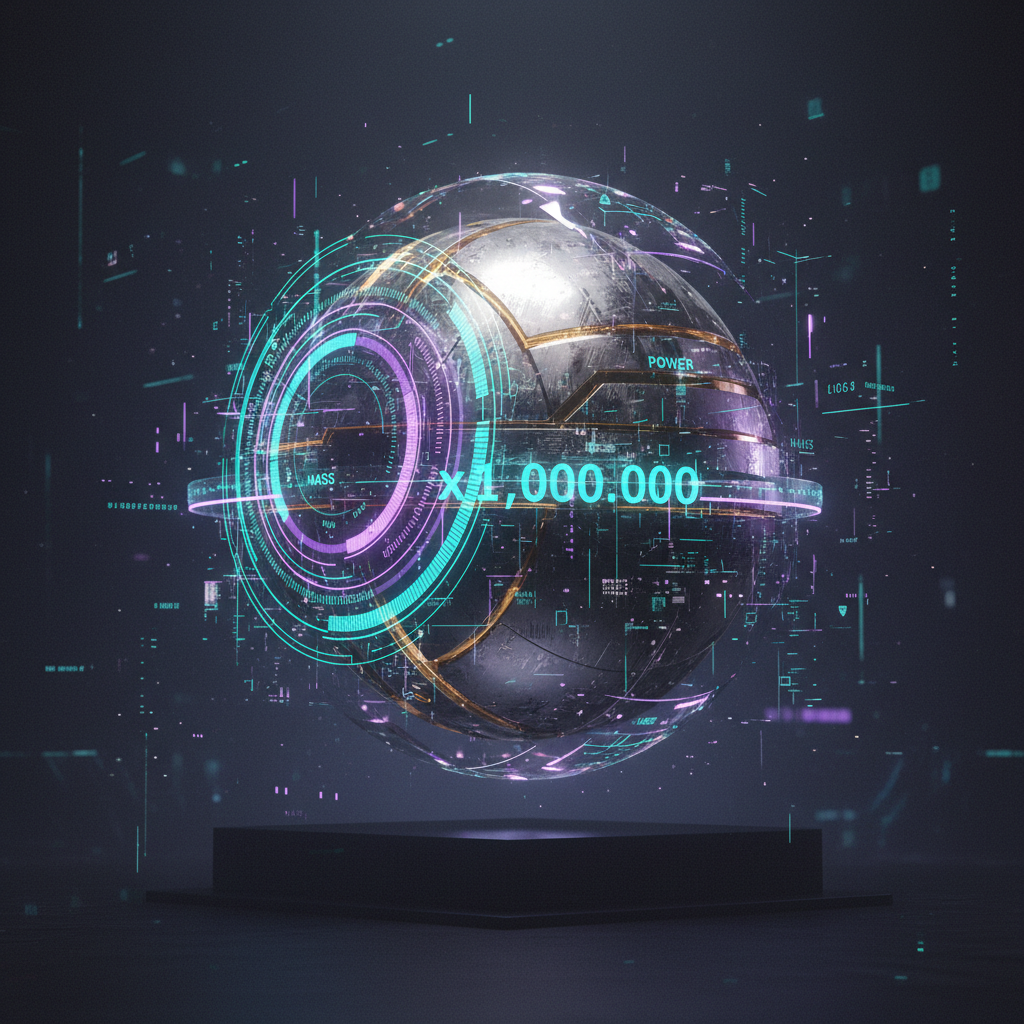
Elon Musk suggested that AI and robots could provide people with nearly all goods and services, rendering traditional money largely irrelevant. He estimated that robotization and space development could create an economy roughly a million times larger than Earth's current economy.
Economic measurement and resource metrics
In that scenario, value would be measured not by conventional currency but by energy, power and mass as practical metrics for production and distribution. Measuring value by these physical metrics would require new accounting methods and units tied to energy throughput and material use.
- Energy as a proxy for useful work and operating capacity across automated production systems.
- Power indicating instantaneous capability to deliver services in robotic and computational infrastructures.
- Mass reflecting material inputs and the physical scale of manufactured goods in automated supply chains.
Implications for work and social systems
Such a shift could make traditional employment optional for many people, prompting reconsideration of social safety nets and distribution mechanisms. Societies would need to redesign incentives, taxation and resource allocation in response to drastically different production economics.
Risks and governance
Musk acknowledged that if AI surpasses human intelligence significantly, maintaining control over it would be extremely difficult. He warned that governance frameworks, international cooperation and technical safeguards will be essential to manage advanced AI systems responsibly.
Musk did not provide a specific timeline for these changes and noted that achieving such outcomes depends on technological breakthroughs and collective societal choices. The proposals outline potential futures rather than imminent certainties and emphasize both opportunity and risk.